Stainless Steel Powder Metallurgy: Machining Notes
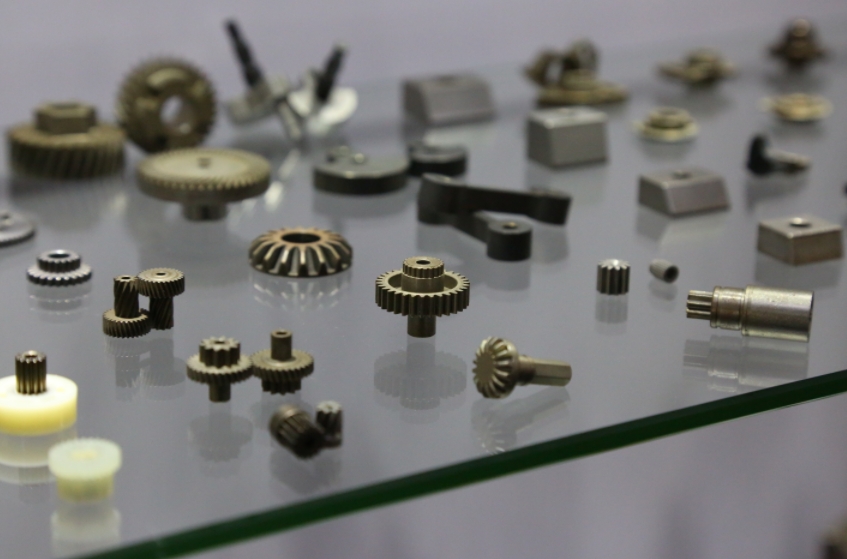
Stainless steel produced by powder metallurgy offers near-net-shape forming, dimensional accuracy and high material utilization compared with conventional melting and rolling. A few machining notes help protect surface quality.
Rough grinding: listen for a fine 'hissing' sound early; as feed and contact increase, the abrasive grains develop flats and cutting performance drops. A bright, even grinding sound usually indicates a sharp wheel; when the sound becomes heavy and dull, the wheel needs dressing.
Setup and observation: low-carbon stainless steels produce little sparking during grinding, so setup is harder. Using marking ink and listening to contact sounds can help the operator confirm tool contact reliably.
Finish grinding: dress the wheel somewhat finer. Early in the process grains begin to develop small flats; use a smaller depth of cut with a deeper longitudinal feed so the fine flats on the wheel face and the part surface hone together, which can lower surface roughness. For the first few parts, pre-grinding pieces with larger allowance wears a small flat into the freshly dressed wheel before finish passes.
Watch for surface burn. If the finished part looks bright or burned, check whether the wheel has become dull, because grinding burn on precision metal parts is easy to damage the surface.
Overall, stainless-steel powder metallurgy complements conventional processing by reducing alloy segregation, improving part performance, minimizing machining and saving material.
Source: legacy company publication http://www.cnyhpm.com/jishubaike/77.html
Talk to Our Engineering Team
If this guide raises questions about your own part, send us the details and our engineering team will review geometry, material and feasibility.