
YHYuehongPowder Metallurgy
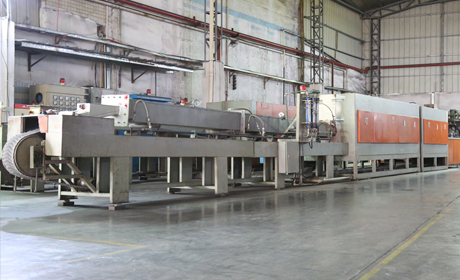
Powder metallurgy production in progress
Process capability

Powder Metallurgy

Powder metallurgy is a manufacturing process in which metal powder is compacted into a shaped die and then sintered under controlled conditions to bond the particles. The process produces near-net-shape parts efficiently for high-volume production.

How the process works

  • Metal powder is measured and pressed in a shaped die to form a green compact.
  • The compact is sintered below the melting point of the main constituent so particles bond through diffusion.
  • Optional sizing improves dimensional accuracy; secondary operations add features that cannot be net-shaped.

When it is used

  • High-volume production of repeatable components
  • Parts with complex shapes that are expensive to machine fully
  • Applications needing consistent dimensions and efficient material use
  • Near-net-shape parts requiring limited secondary machining

Suitable geometry

  • Gears and toothed components
  • Bushings and bearing parts
  • Brackets, arms and structural parts
  • Net-shape features designed for axial pressing

Secondary operations

  • Sizing
  • CNC machining
  • Cleaning and deburring
On the shop floor

This Capability in the Manufacturing Line

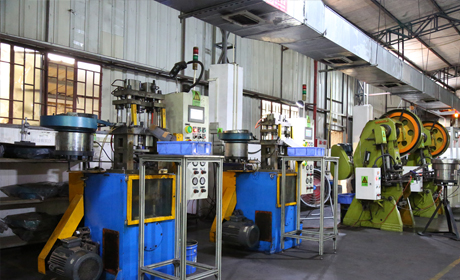
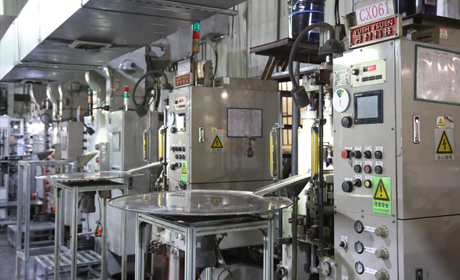
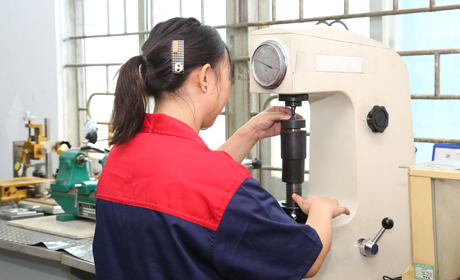
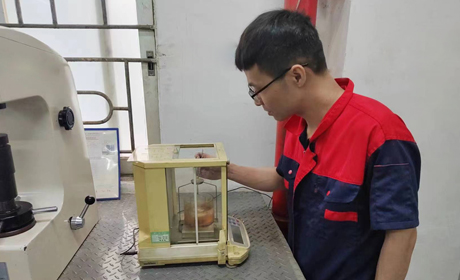
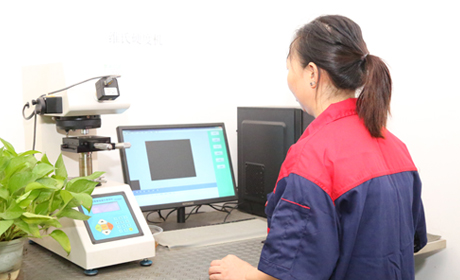
Photography from the Yuehong production facility. Equipment and process detail is confirmed per project.

Powder compaction in the manufacturing line
Quality inspection of sintered parts

Typical applications

  • Automotive components
  • Power tool gears and structural parts
  • Smart home device components
  • Office equipment mechanisms
  • Locks and electrical hardware

Advantages

  • Near-net-shape reduces machining and material waste
  • Repeatable high-volume production
  • Good dimensional consistency across batches
  • Wide material range including iron, copper and stainless-steel powders

Limitations

  • Most economical in higher volumes because tooling is custom
  • Some undercuts and side features are difficult to press
  • Final strength depends on density, material and heat treatment
Quality & engineering

Quality and Engineering Information

In-process controls applied to this capability. Specific acceptance criteria are defined from the customer specification.

Quality inspection of sintered powder metallurgy parts
In-process dimensional and weight checks
Density and porosity control
ISO9001 quality management system per company statement (certificate verification required)
Related products

Parts Made With This Capability

Automotive & Transportation · Power Tools

Sintered Gears

Sintered gears are powder metallurgy components pressed and sintered to near-net shape. The process suits high-volume production of repeatable gear geometries in iron-, copper- and stainless-steel-based powders, for automotive, power tool, office equipment and smart home drive trains.

View details →
Automotive & Transportation · Smart Home

Sintered Bushings

Sintered bushings and oil-impregnated bearings are pressed from metal powder and sintered with a controlled porous structure that can hold lubricating oil. They provide a self-lubricating, cost-efficient bearing solution for high-volume rotating and sliding applications.

View details →
Locks & Electrical · Smart Home

Structural PM Parts

Structural powder metallurgy parts are high-strength components pressed and sintered to near-net shape. They include housings, brackets, levers, chassis structures and lock mechanisms produced in volume with consistent dimensions.

View details →
Related capabilities

Other Processes in the PM Line

Process description is general powder metallurgy reference. Company capability specifics (equipment, tolerances, grades) require engineering confirmation.

Plan your part

Discuss Your Manufacturing Requirement

Describe the geometry, material and volume you have in mind. Our engineering team will recommend the right process route and review feasibility.